Cocoa Beach Font Review for Brand Designers
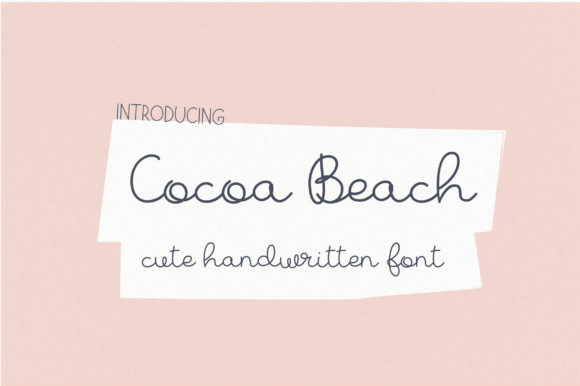
I recently had the chance to test Cocoa Beach, a Script Handwritten font that caught my eye for its charm and approachability. As a brand designer who’s worked on everything from boutique identities to social media layouts, I always look for typefaces that bring personality without compromising usability. The first time I opened up a new brand board for a local café refresh, I thought, “This needs a warm, inviting vibe.” That’s when I decided to try Cocoa Beach.
Cocoa Beach in Logo Design and Brand Identity
Cocoa Beach has a natural flair that makes it perfect for logos and brand identities where a human touch is essential. It’s not just another Fonts file you download — this one feels like it was written by hand with intention. When I used it for a logo draft of a small-batch skincare line, the name immediately felt more personal and authentic. The strokes are soft but deliberate, which gives it a balance between playfulness and professionalism.
One thing I noticed right away was how well it works as a display font. In larger sizes, the characters pop with a friendly energy, making it great for storefronts or website headers. But be careful using it at smaller sizes — while it can handle short phrases, the delicate script might become less legible if forced into tiny text.
Cocoa Beach for Packaging Mockups and Product Labels
On a recent project for a handmade soap label, I wanted something that screamed “crafted with care” without being too cutesy. Cocoa Beach fit the bill perfectly. The handwritten style added warmth to the packaging design, especially when paired with earthy textures and muted colors. It brought an artisanal feel that resonated with the brand’s ethos.
When placing it on product labels, I found that spacing and alignment were key. The open letterforms and gentle curves give it a relaxed, easygoing mood — ideal for organic or lifestyle brands. However, if your client is in a technical or corporate space, this font may not align with their visual identity goals. It’s clearly meant for Script Handwritten use cases where creativity takes center stage.
Using Cocoa Beach on Business Cards and Print Materials
I also tested Cocoa Beach on business cards for a creative studio. It looked amazing in the header section — bold, expressive, and memorable. But when I tried using it for body copy, the readability dipped. So, I stuck to using it for names and taglines only, and opted for a clean sans serif for contact details. This way, I maintained the professional edge while still showcasing the brand’s artistic side.
If you're working with printed materials, make sure to check out the included alternates and ligatures. These subtle variations add depth and character to the design. They’re especially useful when creating custom lettering for shop signs or posters, where each word can have a slightly different rhythm.
Cocoa Beach for Social Media Graphics and Digital Branding
Social media is where Cocoa Beach truly shines. I used it in several Instagram posts for a bakery client, and it instantly gave the feed a cozy, homemade aesthetic. The font’s casual nature made the content feel more personable, which is exactly what food brands need to connect with audiences. It also performed well as a headline font in blog titles and promotional banners, drawing attention without overwhelming the layout.
What sets it apart from other Fonts in the same category is how it adapts across platforms. Whether it was a hero section on a homepage or a mobile-optimized post, the font retained its charm and clarity. For digital branding, it’s a solid choice if you want to keep things fresh and relatable. Just remember that because it's a Script Handwritten font, it won’t hold up well in long paragraphs or dense editorial content.
Font Pairing Suggestions with Cocoa Beach
When pairing Cocoa Beach with other fonts, I recommend sticking to a contrast-heavy combo. It works beautifully alongside a clean modern sans serif like Montserrat or Lato for headlines and body copy. The structured base balances out the fluidity of the Script Handwritten style, helping maintain visual hierarchy and legibility.
If you're going for a more traditional look, a serif like Playfair Display or Merriweather can complement the elegance in Cocoa Beach. Avoid pairing it with another script unless you're doing something very intentional, like layering for a calligraphy-style effect in a DIY project or a poster design.
Testing Cocoa Beach Before Client Work
Before jumping into final deliverables, I always create quick mockups to see how a font behaves in real-world scenarios. With Cocoa Beach, I tested it on a variety of surfaces: wood textures for a rustic coffee shop, minimalist white backgrounds for a modern art supply store, and even metallic foil designs for a premium candle brand. Each time, it adapted well and brought a sense of authenticity to the visuals.
To get the most out of it, I suggest downloading the trial version and running through these practical tests:
- Use it in a full-color logo mockup next to your brand color palette.
- Place it on a mock-up of a product label or packaging design.
- Try it in a hero section of a website to assess screen readability.
- See how it looks in a social media layout across both desktop and mobile views.
This will help you determine if it’s the right Fonts for your specific project and audience.
Licensing and Commercial Use Notes for Cocoa Beach
Before using Cocoa Beach in any commercial context, it’s crucial to review the licensing agreement. If you plan to integrate it into brand identity work, templates, websites, or print-on-demand products, ensure the license supports those uses. Many free Script Handwritten fonts restrict commercial applications, so double-check before locking it in for a client project.
For freelancers and agencies, investing in a premium font version is often worth it. Licensing peace of mind lets you focus on creativity without worrying about legal pitfalls later down the line.
Cocoa Beach for Creative Projects and DIY Typography
As someone who regularly creates Fonts for Instagram posts and Pinterest boards, I love how Cocoa Beach brings a handmade feel to digital assets. It’s incredibly versatile for DIY projects — whether you’re designing custom thank-you cards, recipe book covers, or wedding invitations, this font adds a layer of charm that feels genuine.
Its Script Handwritten nature makes it stand out in a sea of templated graphics. On a recent flyer for a pop-up flower shop, the font helped convey a sense of excitement and spontaneity. It’s the kind of detail that makes a difference when trying to capture the essence of a brand in a single image.
Limitations and Considerations for Cocoa Beach
While Cocoa Beach is a strong contender in the Script Handwritten category, it’s not without its limitations. Its primary weakness lies in readability at smaller sizes. I wouldn’t recommend using it for anything that requires extended reading — think product descriptions, menus, or terms and conditions pages.
It also leans toward the informal, so if your project demands a more serious tone, such as a financial services brand or a law firm, this font probably isn't the best fit. Stick to more formal Fonts for those contexts.
That said, for niche markets like lifestyle blogs, craft shops, or indie eateries, it’s a goldmine. The font conveys warmth, creativity, and a personal connection — all of which can enhance brand perception and customer engagement.
Final Thoughts on Using Cocoa Beach in Real Design Work
In summary, Cocoa Beach is a standout Script Handwritten font that delivers on charm and character. From logo drafts to Instagram headers, it consistently elevates the visual appeal of the projects I've tested it on. Its casual, friendly style makes it ideal for creative industries where a human element is key.
But don’t just take my word for it — go ahead and try it yourself. See how it interacts with your brand colors, photography, and overall message. Once you do, I’m confident you’ll understand why it’s becoming a favorite among designers looking for a unique, expressive Fonts solution.